Importance of Hydration in Amateur Sports
Key Takeaways
- Proper hydration enhances performance and endurance in amateur athletes.
- Hydration strategies should be tailored based on factors like climate and intensity of activity.
- Water isn’t the only option; sports drinks can replenish lost electrolytes.
- Recognizing signs of dehydration is crucial for optimizing athletic performance.
Hydration is an essential component of athletic performance, particularly for amateur sports enthusiasts who may not always have access to professional training resources. Understanding the role hydration plays can help you improve your performance and overall experience in sports.
The role of hydration in athletic performance
Staying properly hydrated offers several benefits for athletes, including:
- Improved endurance and performance
- Reduced risk of injury
- Enhanced recovery capabilities
Understanding dehydration
Dehydration occurs when your body loses more fluids than it takes in, leading to decreased performance. Recognizing common signs of dehydration, such as:
- Increased thirst
- Dry mouth
- Fatigue
- Dizziness
If you notice these symptoms, it’s essential to take action and rehydrate as soon as possible.
Hydration strategies for amateur athletes
Implementing an effective hydration strategy can be the key to maintaining your athletic performance. Here are some tips to ensure in-depth hydration:
1. Pre-activity hydration
Hydrace before your activity starts. Aim to consume:
- 16-20 ounces of water 2-3 hours before exercise.
- 8 ounces of water 20-30 minutes before starting your activity.
2. Hydration during activity
During your activity, aim to drink:
- 7-10 ounces of water or sports drink every 10-20 minutes.
3. Post-activity rehydration
After your exercise, rehydrate by consuming:
- 16-24 ounces of water or a sports drink for every pound of body weight lost during the activity.
Different hydration options
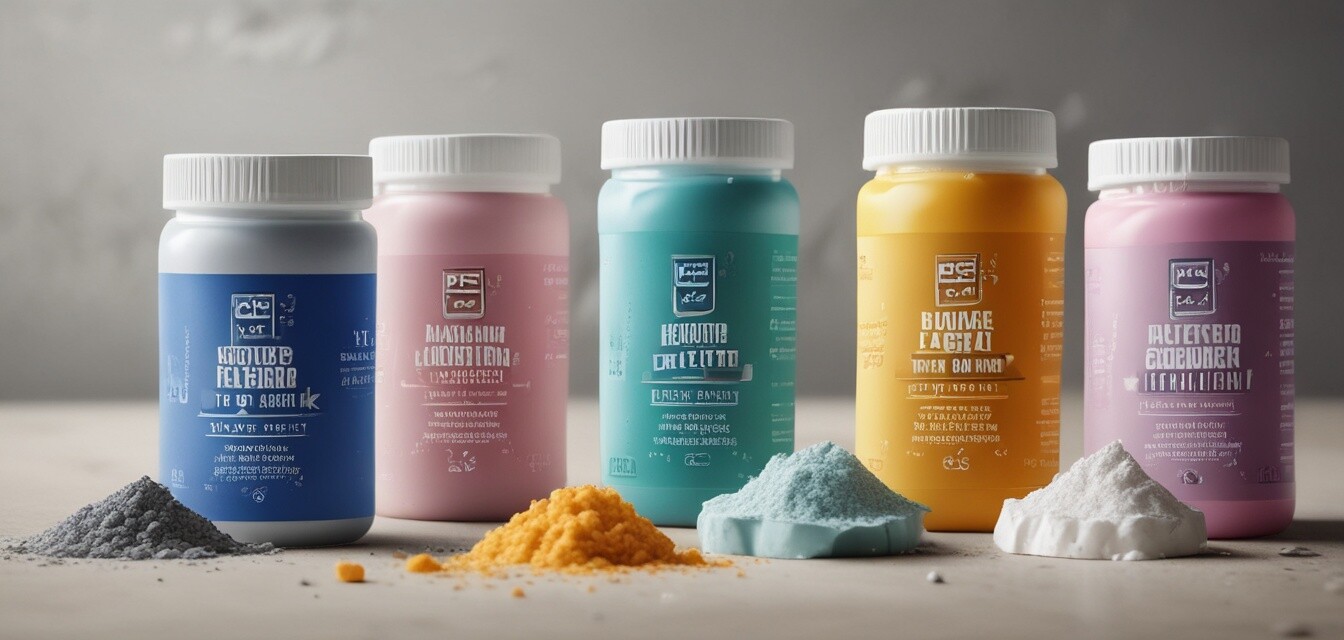
While water is essential, sports drinks and electrolyte solutions can provide additional benefits. They replenish electrolytes lost during sweating and can be particularly beneficial for extended or intense activities.
| Hydration Option | Benefits | Considerations |
|---|---|---|
| Water | Hydrates easily and is calorie-free. | May not replace lost electrolytes during prolonged activity. |
| Sports Drinks | Replenishes electrolytes and provides energy. | Can be high in sugar; choose wisely. |
| Electrolyte Powders | Customizable hydration options with electrolytes. | Mix with water for convenience; watch for added sugars. |
Factors affecting hydration needs
Individual hydration needs can vary based on several factors, including:
- Intensity and duration of activity
- Weather conditions (heat and humidity)
- Your body weight and metabolic rate
- Dietary factors, including caffeine and alcohol intake
Staying motivated to hydrate
Here are some tips to help you stay motivated to maintain proper hydration:
Tips for staying hydrated
- Carry a reusable water bottle with you at all times.
- Set reminders on your phone to drink water regularly.
- Infuse your water with fruits or herbs to make it more appealing.
- Monitor your hydration with apps or check the color of your urine — light yellow is optimal.
Conclusion
Proper hydration is crucial for amateur athletes aiming to perform their best. By recognizing your hydration needs and adjusting your intake before, during, and after exercise, you can enhance your performance and overall experience. Always heed the signs your body gives you and customize your hydration strategies tailored to your specific needs. For more information on how to optimize your sports nutrition, check out our relevant resources in the following sections: Hydration Solutions, Energy Boosters, Protein Supplements, Recovery Aids, and Vitamins and Minerals.
Pros
- Enhances athletic performance
- Reduces the risk of heat-related illnesses
- Improves recovery times after training
Cons
- Overhydration can lead to water intoxication
- Not all sports drinks are created equal; some contain high sugar levels