Plant-Based Nutrition for Athletes
Key Takeaways
- Plant-based diets can provide all essential nutrients for amateur athletes.
- It's important to balance macronutrients: carbohydrates, proteins, and fats.
- Supplementation may be necessary for nutrients like Vitamin B12 and Omega-3 fatty acids.
- Hydration and recovery are crucial components of athletic performance.
- Explore various plant-based protein options to meet your dietary needs.
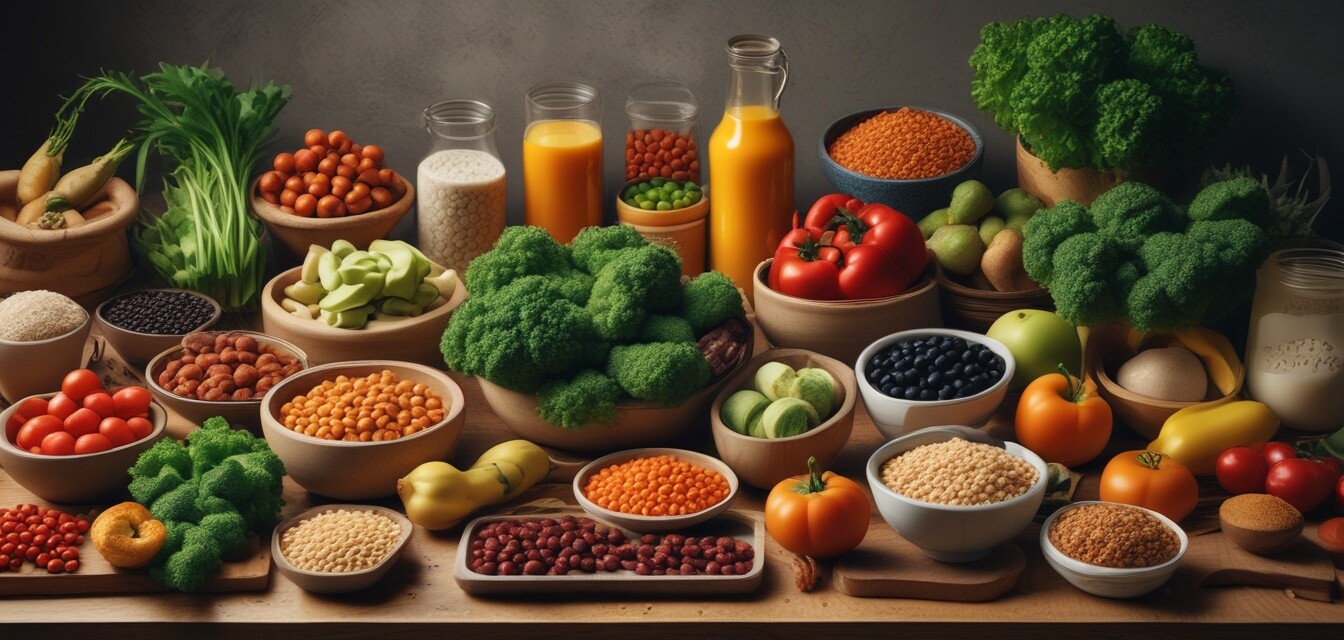
As more athletes turn to plant-based diets, it's crucial to understand how to fuel your body effectively. This guide explores tailored nutritional plans for amateur athletes focused on plant-based nutrition. Whether you’re looking to enhance performance, improve recovery, or just feel better overall, understanding the fundamentals of plant-based nutrition is key.
Benefits of Plant-Based Nutrition
Plant-based diets offer a range of benefits that can enhance athletic performance:
- Increased energy levels due to a higher intake of carbohydrates.
- Improved recovery times thanks to anti-inflammatory properties of plant foods.
- Enhanced digestion and gut health from fiber-rich foods.
- A reduction in the risk of chronic diseases.
Essential Nutrients for Athletes
To maintain optimal performance, athletes should pay special attention to the following nutrients:
| Nutrient | Sources | Importance |
|---|---|---|
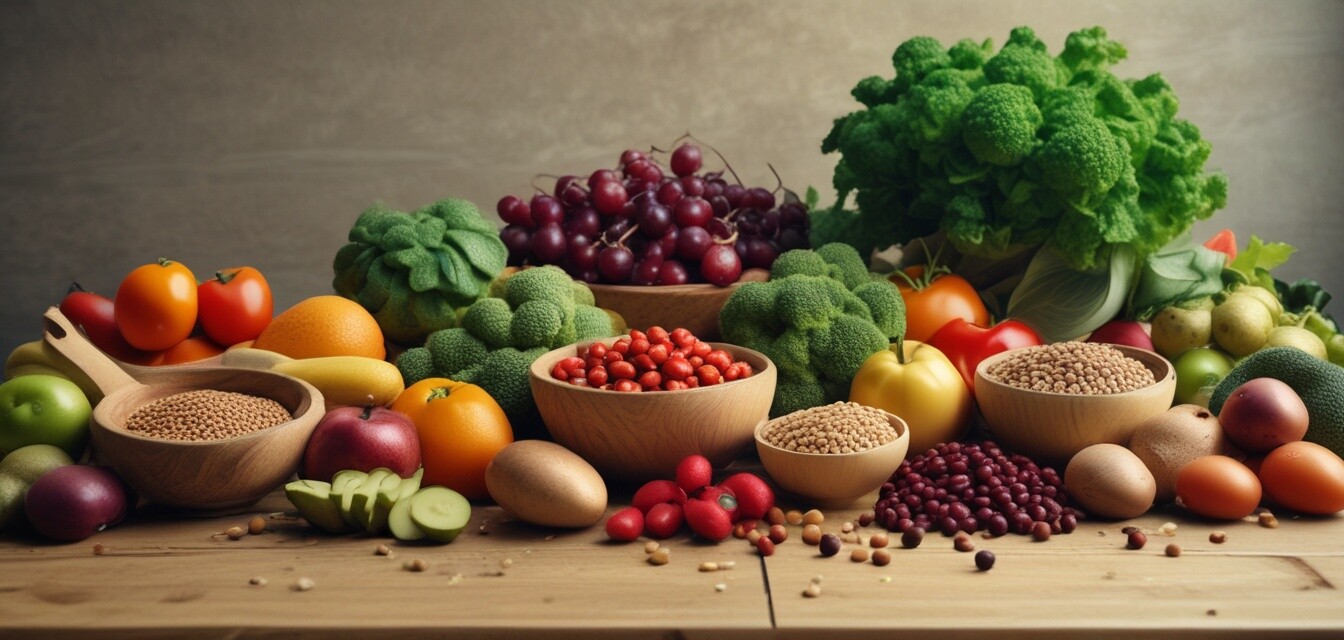
| Protein | Legumes, tofu, tempeh, quinoa | Muscle repair and growth |
| Iron | Leafy greens, lentils, chickpeas | Oxygen transport in the body |
| Calcium | Broccoli, almonds, fortified plant milks | Bone health |
| Omega-3 Fatty Acids | Flaxseeds, chia seeds, walnuts | Heart health and inflammation reduction |
| Vitamin B12 | Fortified foods, supplements | Nerve function and red blood cell production |
Macronutrient Balancing
Understanding macronutrients is essential for any athlete. Here’s a breakdown of how to balance your macronutrients:
- Carbohydrates: Aim for 55-65% of your total daily calories from carbohydrates to ensure you have energy for your workouts.
- Proteins: Target about 15-20% of your calories from protein to support muscle repair.
- Fats: Include healthy fats (20-30% of your total calories) from sources like avocados, nuts, and seeds.
Sample Meal Plan
Here’s a sample meal plan that incorporates plant-based foods for an athlete:
| Meal | Foods |
|---|---|
| Breakfast | Overnight oats topped with berries and chia seeds |
| Lunch | Quinoa salad with chickpeas, cucumber, and avocado |
| Snack | Apple slices with almond butter |
| Dinner | Stir-fried tofu with mixed vegetables and brown rice |
| Post-Workout | Protein smoothie with spinach, banana, and plant-based protein powder |
Hydration Strategies
Staying hydrated is vital for athletic performance. Here are some tips:
- Drink water regularly throughout the day.
- Consider electrolyte-rich drinks after intense workouts.
- Eat fruits and vegetables with high water content, such as cucumbers and watermelon.
Recovery Tips for Plant-Based Athletes
Recovery is essential for performance. Here are some tips to enhance recovery:
- Incorporate a variety of plant-based proteins in your meals.
- Utilize recovery aids such as tart cherry juice or magnesium supplements.
- Ensure adequate sleep and rest days are part of your training plan.
Pros
- Rich in vitamins and minerals.
- Lower risk of chronic diseases.
- Environmental sustainability.
Cons
- Potential nutrient deficiencies if not well-planned.
- May require supplementation for certain nutrients.
Conclusion
A plant-based diet can be an excellent choice for amateur athletes looking to improve their performance and overall health. By focusing on a well-rounded nutritional plan, you can ensure that you’re getting all the essential nutrients your body needs to thrive. For more information on specific nutrition strategies, check out our sections on Energy Boosters, Hydration Solutions, and Protein Supplements.
Tips for Beginners
- Start gradually by incorporating more plant-based meals into your diet.
- Experiment with different protein sources to find what you enjoy.
- Consult a nutritionist for personalized guidance.