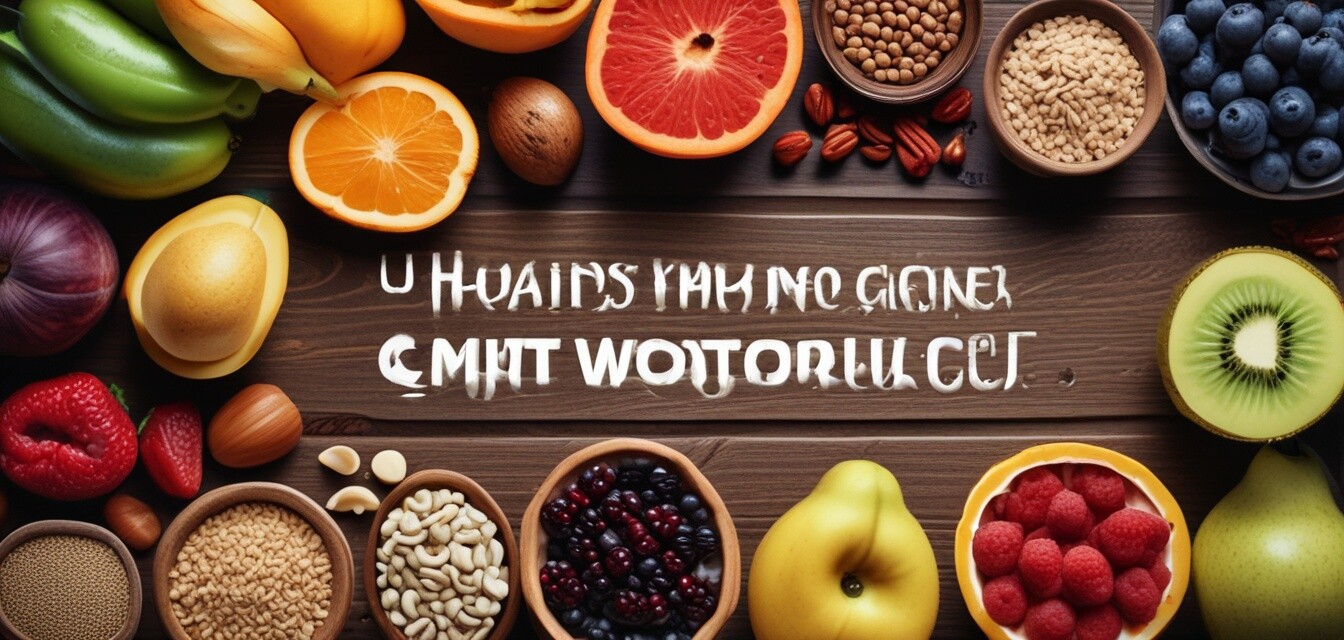
Pre-Workout Nutrition Strategies
Fueling your body effectively before workouts is crucial for enhancing performance and achieving your fitness goals. In this guide, we will explore various nutrition strategies that amateur athletes can implement to support their training regimens.
Key Takeaways
- Pre-workout nutrition can significantly enhance performance.
- Focus on a balanced intake of carbohydrates, proteins, and fats.
- Timing of meals and snacks is essential for optimal fueling.
- Hydration plays a critical role in performance.
- Individual nutritional needs may vary based on the type of workout.
Understanding Pre-Workout Nutrition
Pre-workout nutrition involves consuming the right foods and drinks to provide energy and improve performance during exercise. The goal is to supply your body with the necessary nutrients to maintain energy levels, maximize endurance, and support muscle function.
Why Pre-Workout Nutrition Matters
Proper nutrition before a workout offers several benefits:
- Increases energy levels for enhanced workout performance.
- Reduces fatigue during exercise.
- Improves focus and mental clarity.
- Supports muscle growth and recovery.
Macronutrients for Pre-Workout Fuel
Understanding the role of macronutrients—carbohydrates, proteins, and fats—can help you make informed choices about your pre-workout meals.
| Macronutrient | Role in Pre-Workout Nutrition | Sources |
|---|---|---|
| Carbohydrates | Primary energy source for high-intensity workouts. | Whole grains, fruits, vegetables, and legumes. |
| Proteins | Supports muscle repair and growth. | Lean meats, dairy, eggs, and plant-based proteins. |
| Fats | Provides long-lasting energy for endurance activities. | Nuts, seeds, avocados, and healthy oils. |
Timing Your Pre-Workout Nutrition
The timing of your meals and snacks can significantly impact your performance. Here’s a quick guide:
Meal Timing Recommendations
| Timing | Meal Type | Examples |
|---|---|---|
| 3-4 hours before | Full meal | Brown rice, chicken, and steamed vegetables. |
| 30-60 minutes before | Snack | Banana with almond butter, Greek yogurt with berries. |
Hydration: The Key Component
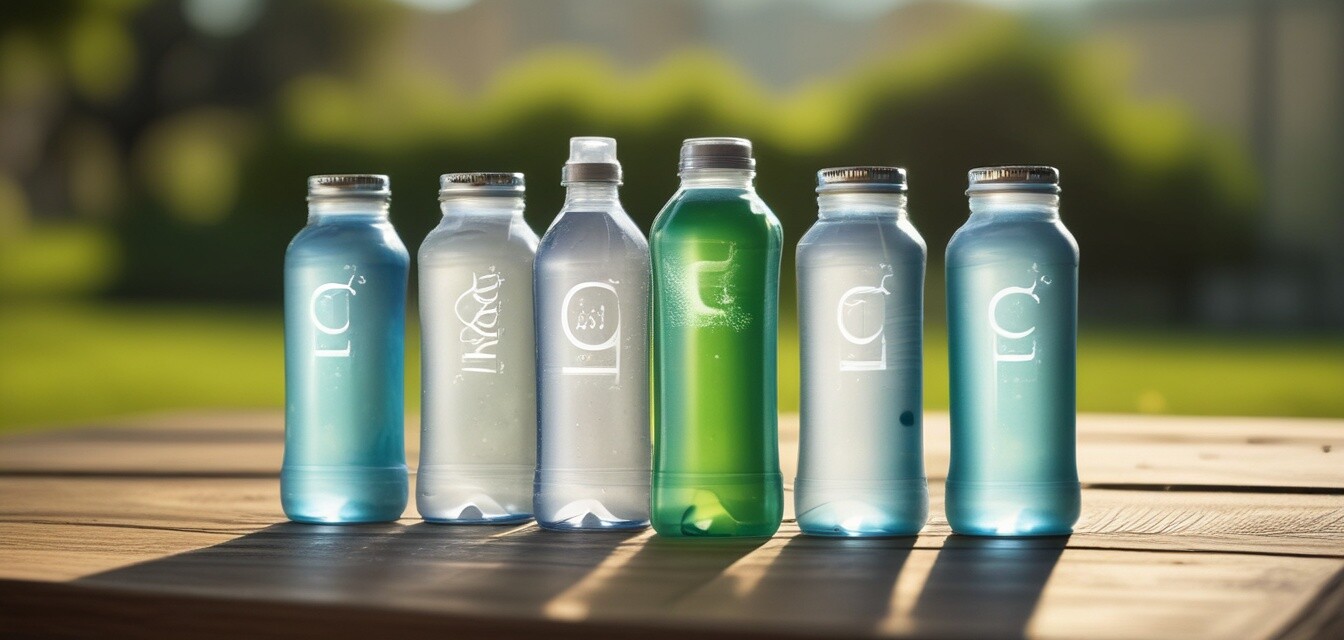
Staying hydrated is just as important as what you eat. Dehydration can lead to decreased performance and increased risk of injury. Aim to drink water consistently throughout the day and consider electrolyte drinks if you're training intensely.
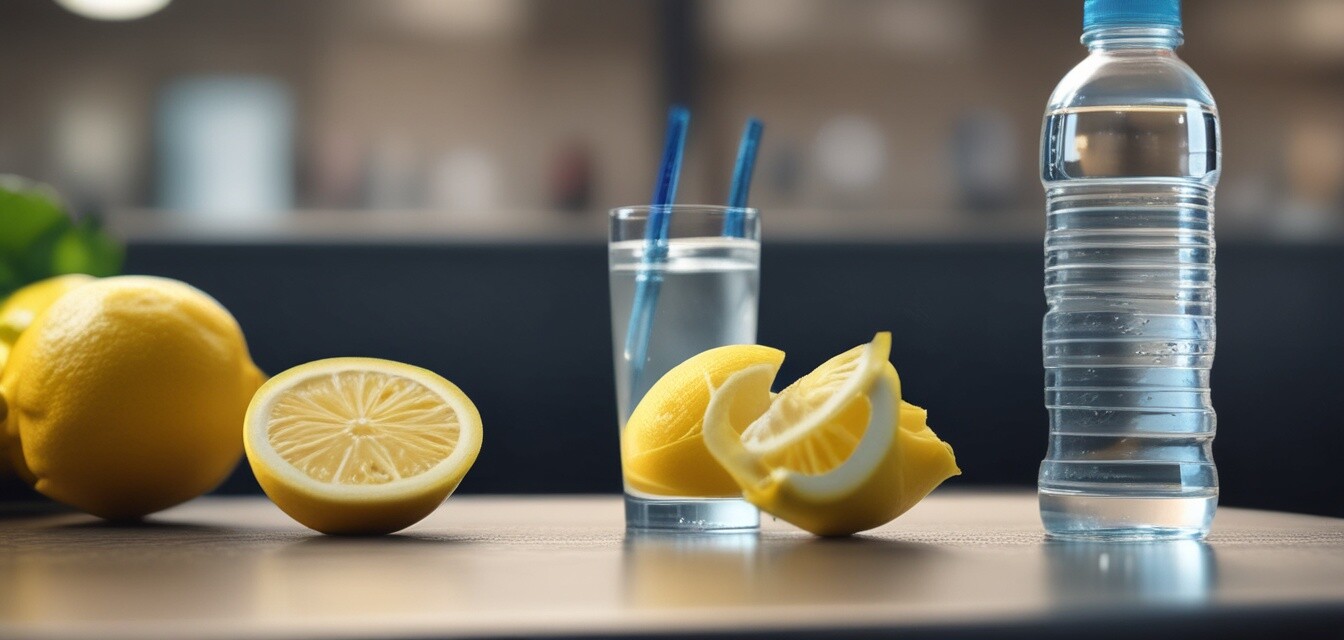
Hydration Tips
- Drink water regularly throughout the day.
- Consume an electrolyte-rich drink before long workouts.
- Avoid excessive caffeine, which can lead to dehydration.
Personalizing Your Pre-Workout Nutrition
Every athlete's body is different, and individual nutritional needs can vary based on workout intensity, duration, and personal preferences. Here are some ways to personalize your pre-workout nutrition:
- Experiment with different food combinations to see what works best for you.
- Monitor your energy levels and performance to adjust your nutrition.
- Consult with a nutritionist for tailored guidance.
Tips for Beginners
- Start with simple snacks and gradually build up to more complex meals.
- Keep a food diary to track what you eat and how it affects your workouts.
- Listen to your body’s hunger and fullness cues.
Frequently Asked Questions
What should I eat before a workout?
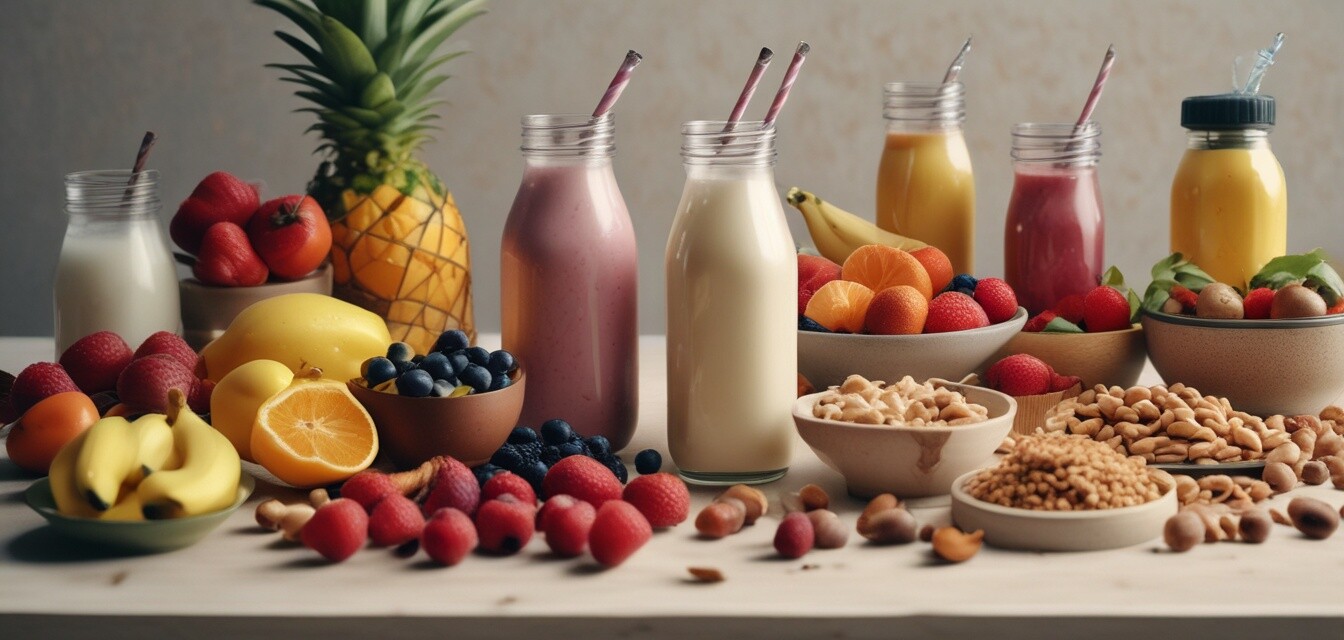
Focus on a balanced meal that includes carbohydrates for energy, protein for muscle support, and a small amount of healthy fats. Examples include oatmeal with fruit or a smoothie with spinach, banana, and protein powder.
How long before a workout should I eat?
Ideally, you should eat a full meal 3-4 hours prior to your workout or a smaller snack 30-60 minutes before.
How much water should I drink before exercising?
It’s recommended to drink 16-20 ounces of water about 2-3 hours before exercising and another 8-10 ounces 20-30 minutes before starting your workout.
Pros
- Improved energy levels during workouts.
- Enhanced focus and mental clarity.
- Better muscle performance and recovery.
- Reduced fatigue and risk of injury.
Cons
- Individual responses to food can vary.
- Overeating or eating the wrong foods can lead to discomfort.
- Requires planning and experimentation.
Conclusion
Incorporating effective pre-workout nutrition strategies can make a significant difference in your athletic performance. By focusing on the right balance of macronutrients, timing your meals, and staying hydrated, you can fuel your body for success. Remember to personalize your approach, listen to your body, and enjoy the journey of improving your fitness.
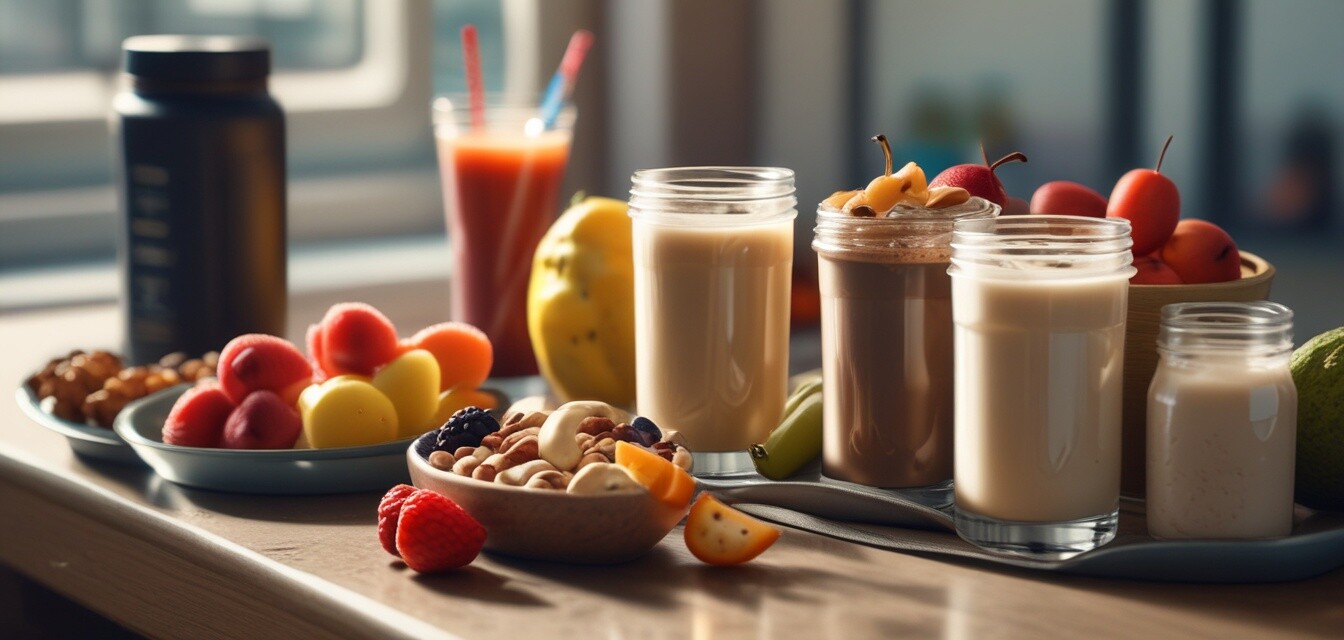
For more information on nutritional products and strategies, check out our other guides on Pre Workout Supplements, Post Workout Recovery, and Protein Supplements.