Meal Planning for Amateur Athletes
Key Takeaways
- Meal planning is essential for optimal performance and recovery in amateur athletes.
- Understanding macronutrients—carbohydrates, proteins, and fats—is crucial for energy and muscle repair.
- Tailored meal plans can vary based on individual goals such as weight management or muscle building.
- Incorporating hydration solutions and recovery aids can enhance performance and recovery times.
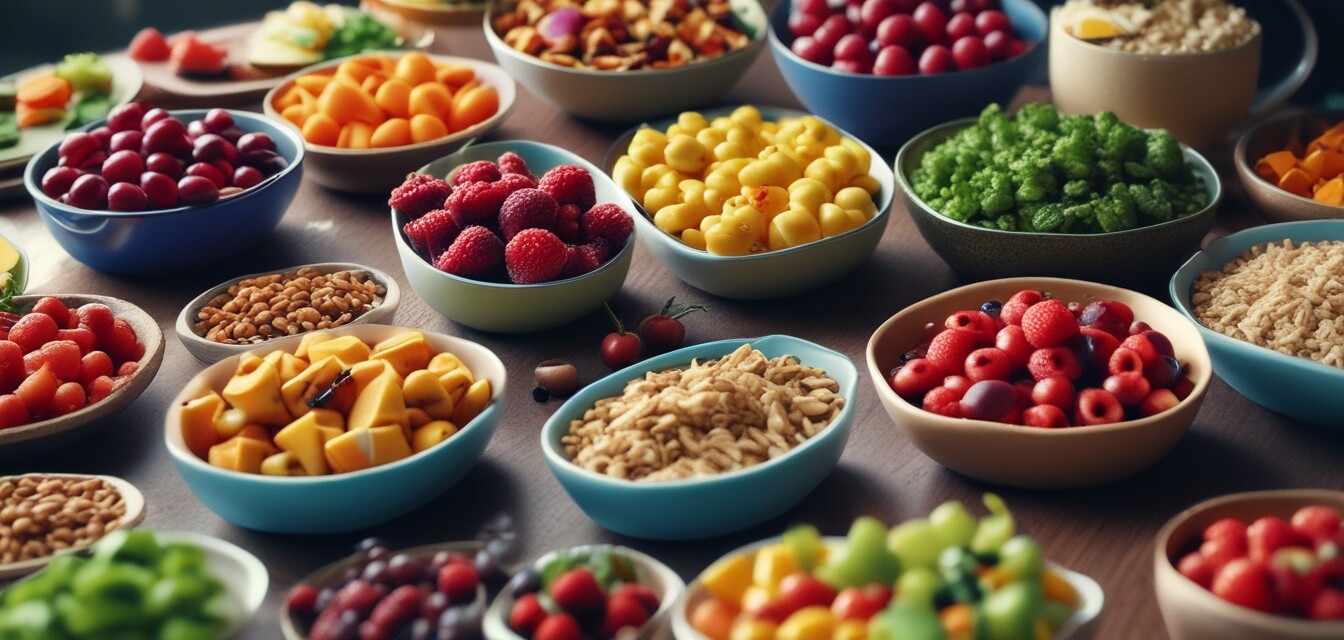
In the world of amateur athletics, proper nutrition plays a significant role in performance and recovery. Meal planning is not just about what to eat, but also when to eat it. This guide walks you through the essentials of creating effective meal plans tailored to various sports and goals.
Understanding Nutritional Needs
Before we dive into meal planning, it’s important to understand the basic nutritional needs of athletes. Here’s a breakdown of the key macronutrients:
| Macronutrient | Function | Sources |
|---|---|---|
| Carbohydrates | Primary source of energy | Whole grains, fruits, vegetables |
| Proteins | Supports muscle repair and growth | Meat, fish, dairy, legumes |
| Fats | Provides long-term energy | Nuts, seeds, avocados, olive oil |
Creating Your Meal Plan
A successful meal plan should be personalized based on your specific sport and goals. Here’s a step-by-step guide to help you create an effective meal plan:
Step 1: Assess Your Goals
- Weight Management: Focus on balanced meals with controlled portions.
- Muscle Building: Increase protein intake and caloric surplus.
- Endurance Training: Emphasize carbohydrates for energy.
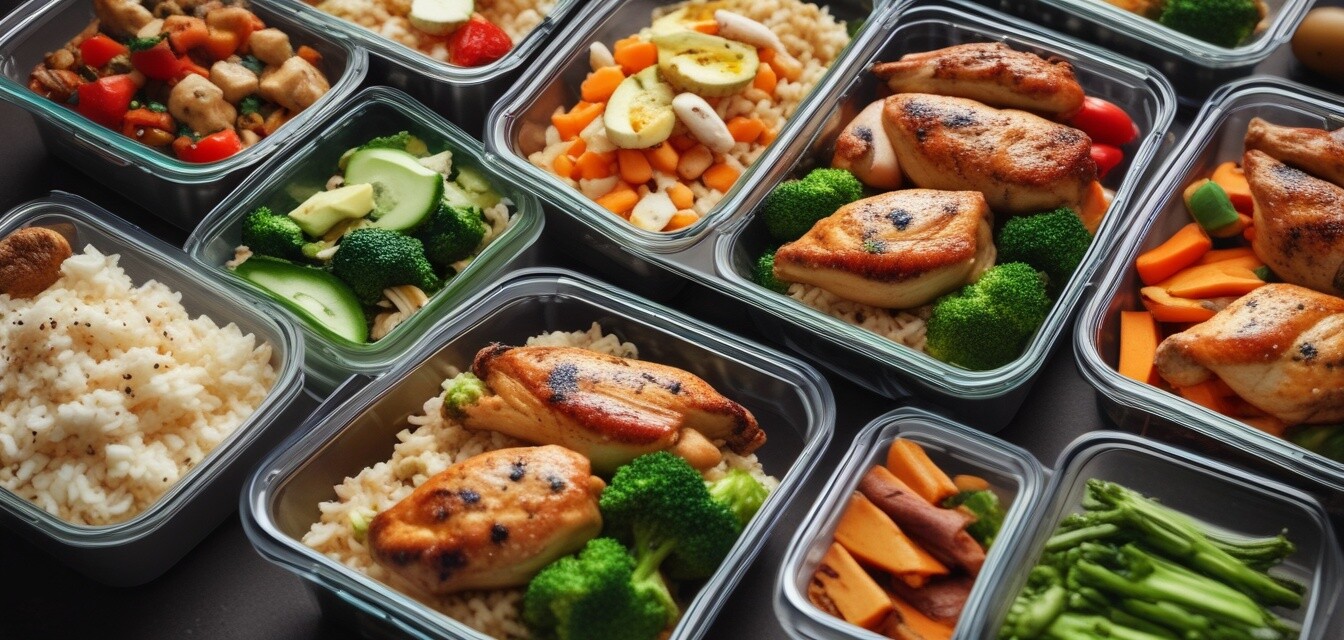
Step 2: Plan Your Meals
Use the following template to structure your meals:
| Meal | Food Items | Portion Size |
|---|---|---|
| Breakfast | Oatmeal, Bananas, Almonds | 1 cup, 1 medium, ¼ cup |
| Lunch | Grilled Chicken, Quinoa, Spinach | 4 oz, ½ cup, 1 cup |
| Dinner | Salmon, Brown Rice, Broccoli | 4 oz, ½ cup, 1 cup |
| Snacks | Greek Yogurt, Berries | 1 cup, ½ cup |
Step 3: Consider Timing
It’s important to consider when to eat in relation to training sessions. Here are some guidelines:
- Eat a balanced meal 2-3 hours before training.
- Consume a snack 30-60 minutes before working out.
- Have a recovery meal or snack within 30 minutes post-training.
Sample Meal Plans
Here are sample meal plans tailored for different goals:
For Weight Management
| Meal | Food Items |
|---|---|
| Breakfast | Scrambled Eggs, Spinach, Whole Wheat Toast |
| Lunch | Turkey Wrap, Mixed Greens, Olive Oil Dressing |
| Dinner | Grilled Shrimp, Zucchini Noodles, Marinara Sauce |
| Snacks | Carrot Sticks, Hummus |
For Muscle Building
| Meal | Food Items |
|---|---|
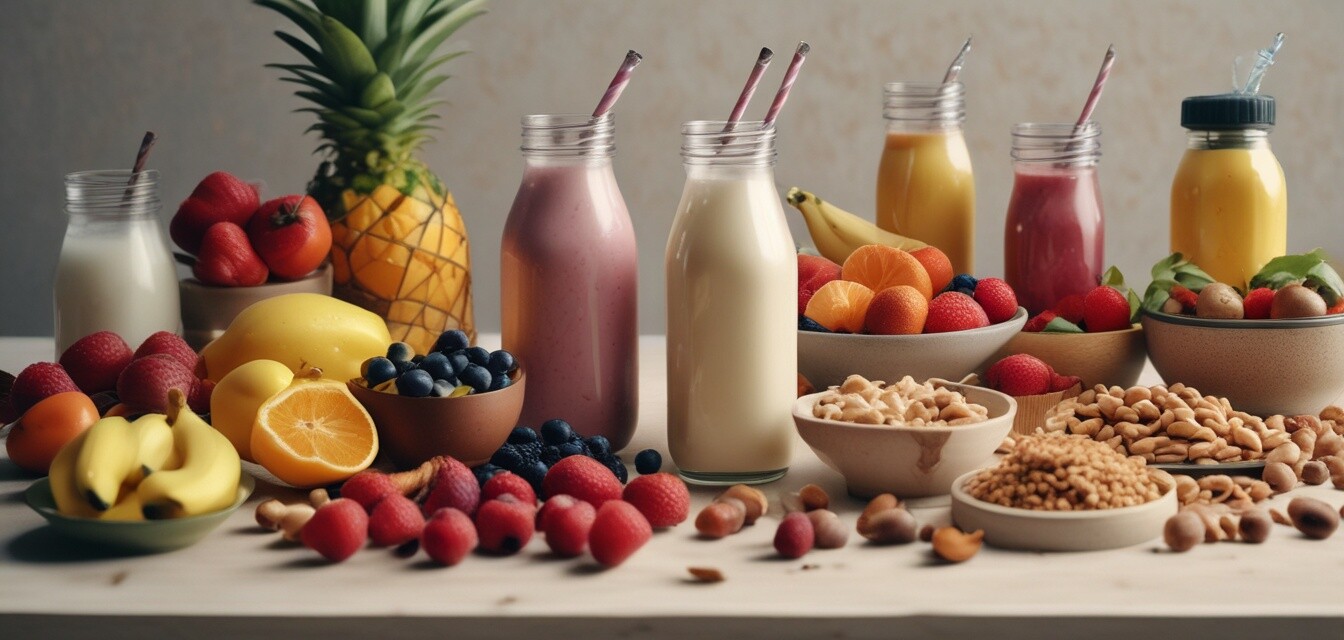
| Breakfast | Protein Smoothie, Oats |
| Lunch | Beef Stir-Fry, Brown Rice |
| Dinner | Baked Chicken, Sweet Potatoes, Asparagus |
| Snacks | Protein Bar, Nuts |
Hydration and Supplements
Incorporating hydration solutions and considering recovery aids can further enhance performance. Adequate hydration supports physical activity, while recovery aids can assist in muscle repair.
Tips for Success
Tips for Beginners
- Start simple and gradually add complexity to your meal plans.
- Experiment with different foods to find what works best for your body.
- Stay flexible and adjust your meal plan based on your training schedule.
- Track your meals and how they affect your performance to optimize your plan.
Pros
- Improved performance through tailored nutrition.
- Better recovery times with proper meal timing.
- Increased energy for training and competition.
Cons
- Requires planning and preparation time.
- May involve trial and error to find the right foods.
- Can be challenging to maintain consistency.
Conclusion
Meal planning is a vital component for amateur athletes looking to enhance their performance and recovery. By understanding your nutritional needs and creating a structured meal plan, you can ensure that you are fueling your body appropriately for your specific goals. For more information on supplements that can aid your training, check out our sections on protein supplements and pre-workout supplements.