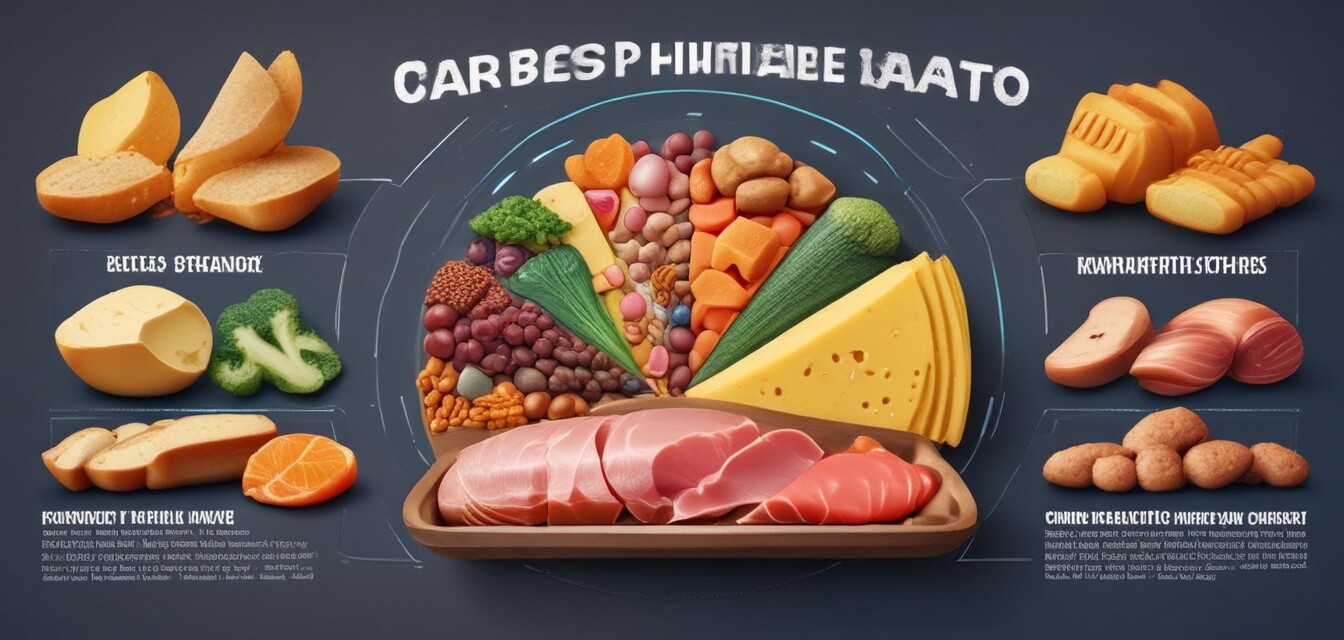
Macronutrient Essentials for Amateur Athletes
Key Takeaways
- Carbohydrates are the primary energy source for athletes.
- Proteins are essential for muscle repair and growth.
- Fats provide a concentrated source of energy and support overall health.
- A balanced intake of all three macronutrients is crucial for optimal performance.
- Individual needs may vary based on activity levels and goals.
As an amateur athlete, understanding the role of macronutrients—carbohydrates, proteins, and fats—in your diet is crucial for enhancing performance and recovery. This comprehensive guide will provide insights into each macronutrient, their functions, and how to effectively incorporate them into your nutritional plan.
Understanding Macronutrients
Macronutrients are the nutrients your body requires in large amounts to function effectively. They play significant roles in energy production, muscle repair, and overall health. Below is a breakdown of each macronutrient and its importance for amateur athletes.
1. Carbohydrates
Carbohydrates are the body's primary source of energy, especially during high-intensity exercise. They are stored in the muscles and liver as glycogen, which is utilized during physical activities.
| Type | Sources | Recommended Intake |
|---|---|---|
| Simple Carbohydrates | Fruits, honey, and milk | 45-65% of total daily calories |
| Complex Carbohydrates | Whole grains, legumes, and vegetables | 45-65% of total daily calories |
2. Proteins
Proteins play a vital role in muscle repair and growth. After exercise, your body needs protein to rebuild and strengthen muscles that were stressed or damaged during workouts.
| Type | Sources | Recommended Intake |
|---|---|---|
| Animal Proteins | Chicken, fish, and dairy | 10-35% of total daily calories |
| Plant Proteins | Beans, lentils, nuts, and seeds | 10-35% of total daily calories |
3. Fats
Fats are a concentrated source of energy and are essential for the absorption of fat-soluble vitamins (A, D, E, and K). They also play a role in hormone production and overall health.
| Type | Sources | Recommended Intake |
|---|---|---|
| Saturated Fats | Meat, butter, and cheese | 20-35% of total daily calories |
| Unsaturated Fats | Olive oil, avocados, and nuts | 20-35% of total daily calories |
Balancing Macronutrients
For optimal performance, amateur athletes should strive for a balanced intake of carbohydrates, proteins, and fats. A common recommendation is the following:
- Endurance Athletes: Higher carbohydrate intake to fuel long-duration activities.
- Strength Athletes: Increased protein intake for muscle repair and growth.
- General Fitness: A balanced intake of all macronutrients based on individual goals.
Practical Tips for Macronutrient Intake
Tips for Beginners
- Plan your meals ahead to ensure a balanced intake of macronutrients.
- Incorporate a variety of food sources to meet your nutrient needs.
- Consider timing your carbohydrate intake around workouts for optimal energy.
- Stay hydrated, as water plays a role in nutrient transport and metabolism.
Conclusion
Understanding and balancing your intake of carbohydrates, proteins, and fats is essential for optimizing your performance as an amateur athlete. By focusing on whole foods and appropriate portion sizes, you can create a sustainable nutrition plan that supports your athletic goals.
Pros
- Improved athletic performance
- Better recovery after workouts
- Increased energy levels
- Enhanced overall health
Cons
- Requires planning and preparation
- May need adjustments based on individual responses
- Overemphasis on macronutrients can lead to neglecting micronutrients
Additional Resources
For more information on how to optimize your nutrition as an amateur athlete, check out our pages on: