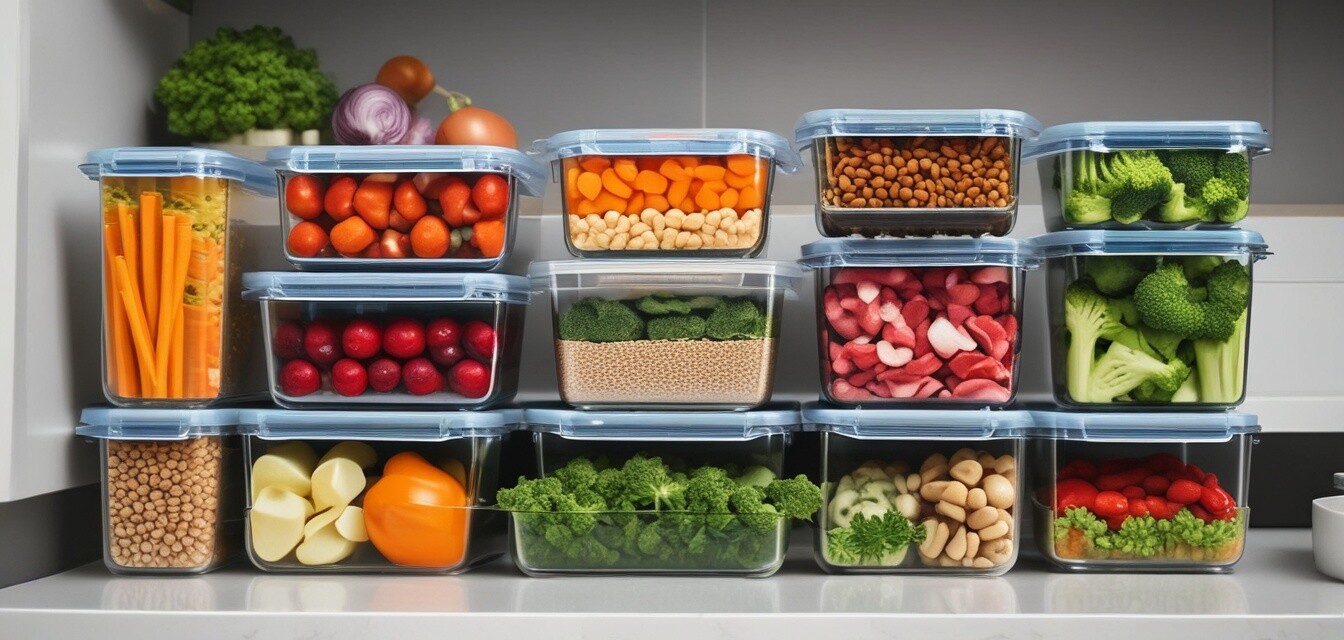
Meal Prep Tips for Busy Athletes
Key Takeaways
- Prioritize easy-to-cook and nutritious ingredients.
- Plan meals around training days and competition schedules.
- Batch cook in bulk to save time during the week.
- Stay organized with meal prep tools and containers.
- Experiment with flavors to keep meals exciting.
As an amateur athlete, balancing training, work, and personal life can be challenging. One of the best ways to manage your time efficiently while ensuring you get the proper nutrition is through meal prep. In this article, we will share effective meal prep strategies that will not only save you time but also help you fuel your body for optimal performance during workouts and competitions.
Why Meal Prep Matters for Athletes
Meal prepping can be particularly beneficial for amateur athletes who need to maintain balanced diets to support their active lifestyles. Here are a few reasons why meal prepping is crucial:
- Time-Saving: Preparing meals in advance allows you to spend less time cooking during the busy week.
- Consistency: Having meals ready helps ensure you stay on track with your nutritional goals.
- Control: You have the ability to choose healthy ingredients, portion sizes, and avoid processed foods.
Meal Prep Tips for Busy Athletes
1. Plan Your Meals
The first step in effective meal prep is planning your meals for the week. Consider your training schedule and plan around it. Here’s a simple structure you can use:
| Day | Meal | Ingredient Focus |
|---|---|---|
| Monday | Lunch | Quinoa, grilled chicken, steamed broccoli |
| Tuesday | Dinner | Whole grain pasta, turkey meatballs, marinara sauce |
| Wednesday | Breakfast | Oatmeal, sliced bananas, almond butter |
| Thursday | Lunch | Brown rice, stir-fried tofu, mixed vegetables |
2. Batch Cook Ingredients
Batch cooking proteins, grains, and vegetables can significantly cut down on prep time. Here’s how to do it effectively:
- Choose 2-3 protein sources such as chicken, fish, and legumes.
- Prepare large batches of grains like rice or quinoa.
- Roast or steam a variety of vegetables.
3. Invest in Good Containers
Using high-quality, airtight containers can help keep your meals fresh and organized. Here are some types of containers to consider:
- Glass containers: Durable and microwave-safe.
- Bento boxes: Great for portion control.
- Freezer bags: Perfect for storing pre-prepped portions.
4. Keep It Simple
Don’t overcomplicate your meals. Focus on simple, healthy recipes that are easy to prepare and delicious. Mix and match your ingredients throughout the week to create variety without extra effort.
5. Use Herbs and Spices
Enhance the flavors of your meals without adding calories by using various herbs and spices. Some popular choices include:
- Basil
- Oregano
- Cumin
- Turmeric
- Garlic powder
6. Schedule Meal Prep Time
Set aside a specific day and time dedicated to meal prepping. Whether it’s Sunday afternoon or Tuesday evening, having a routine can help make meal preparation a habit.
Staying Motivated and On Track
During your busy week, it's essential to stay motivated and keep your meals exciting. Here are some strategies to help you stay on track:
Tips for Staying Motivated
- Experiment with new recipes and ingredients.
- Create a Pinterest board or a meal prep journal for inspiration.
- Involve family or friends in meal prep for added fun.
Conclusion
Effective meal prep is a game changer for busy athletes looking to excel in their sports while maintaining proper nutrition. By planning your meals, batch cooking, and staying organized, you can ensure that you are fueling your body correctly and enjoying the foods you love. If you would like to learn more tips on nutrition for athletes, explore our section on Nutritional trends in sports nutrition or dive into our extensive Buying guides for nutritional supplements.
Pros
- Saves time during the week
- Supports nutritional goals
- Encourages cooking skills
- Helps control portion sizes
Cons
- Requires initial time investment
- May lead to meal boredom if not varied